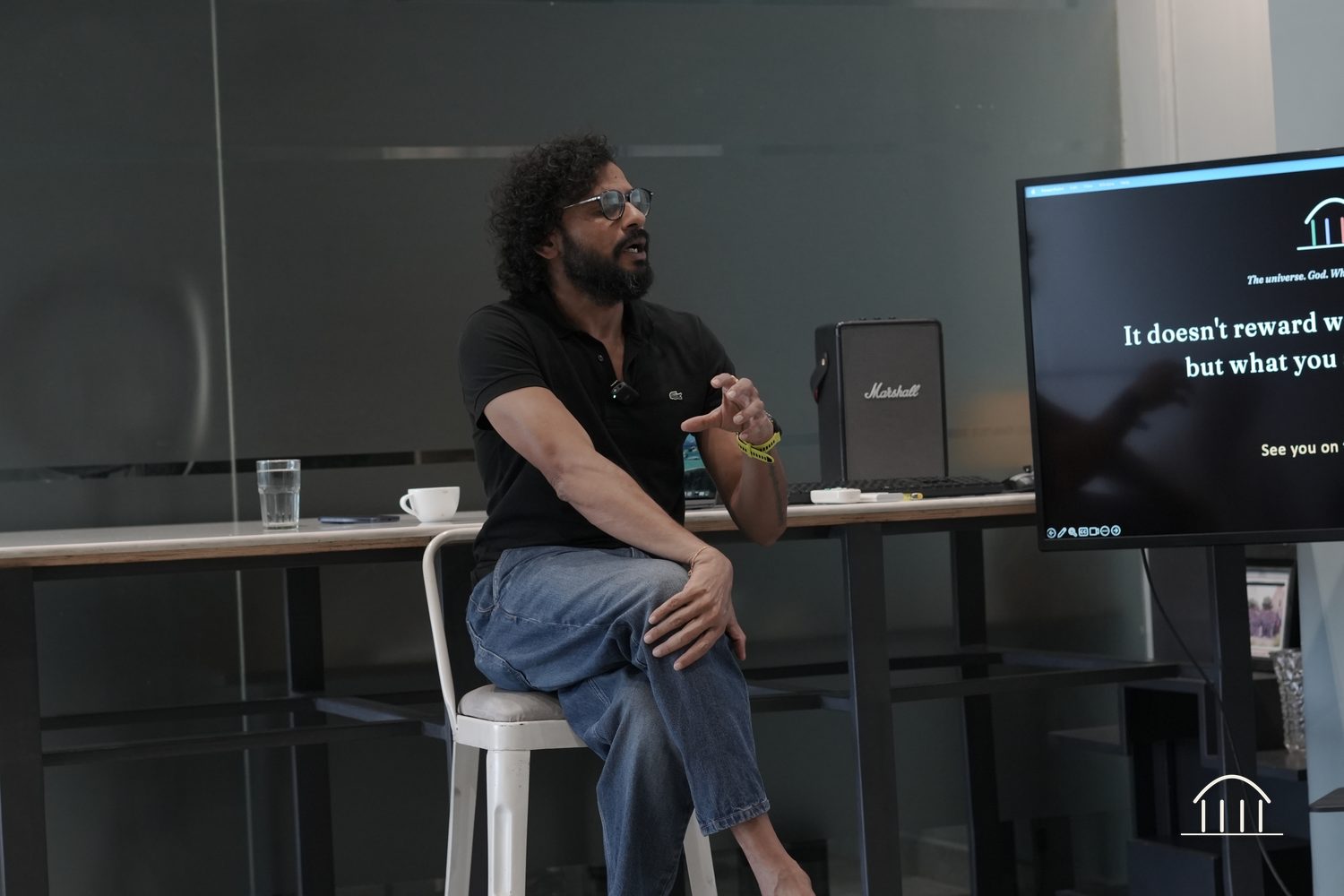
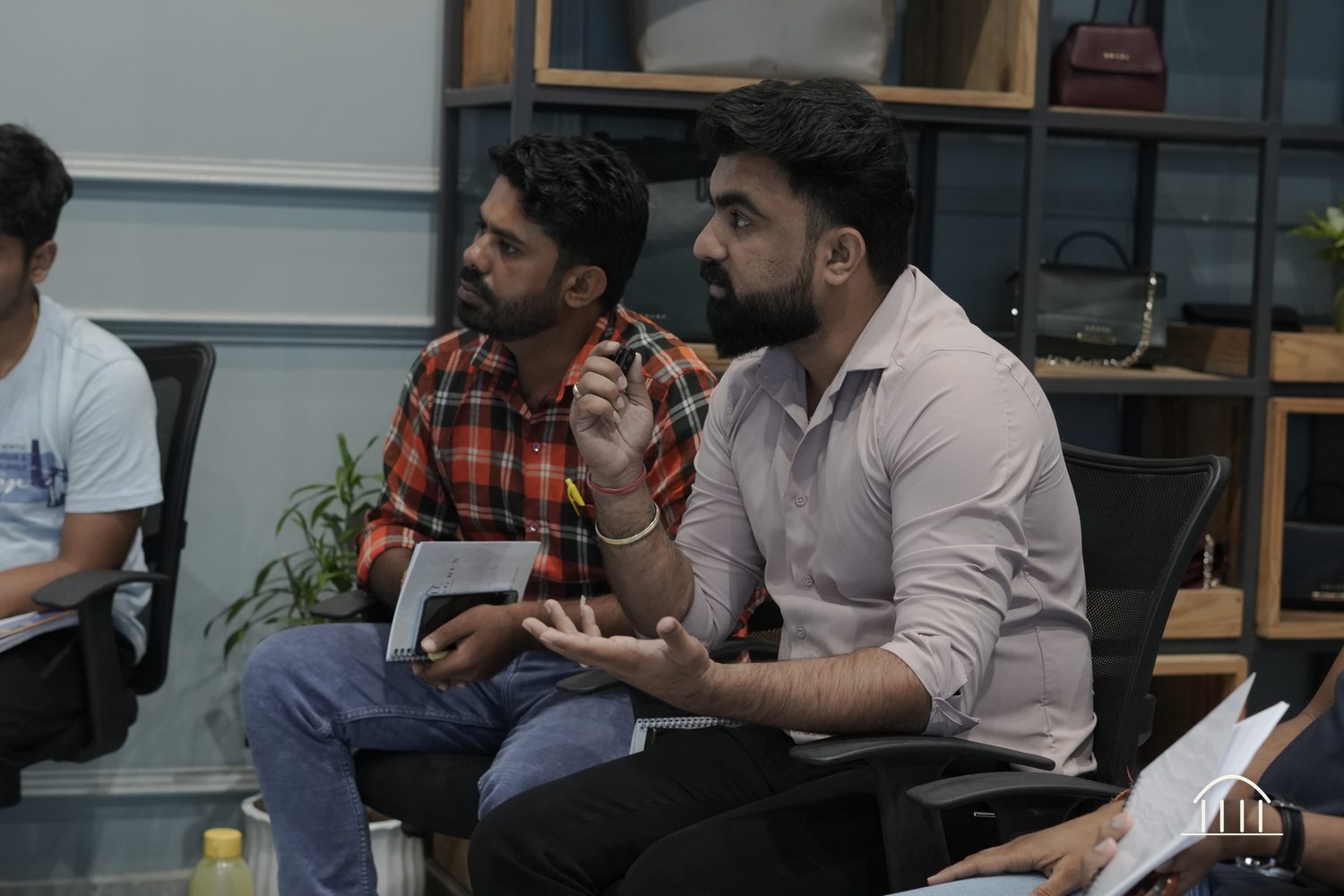
The Long Run

A framework for a long-term, holistically successful life

Because life is a long game.

Fifteen years on the road taught me to build a life that lasts. This is the framework.

Follow the journey on Instagram — @rajatasawa

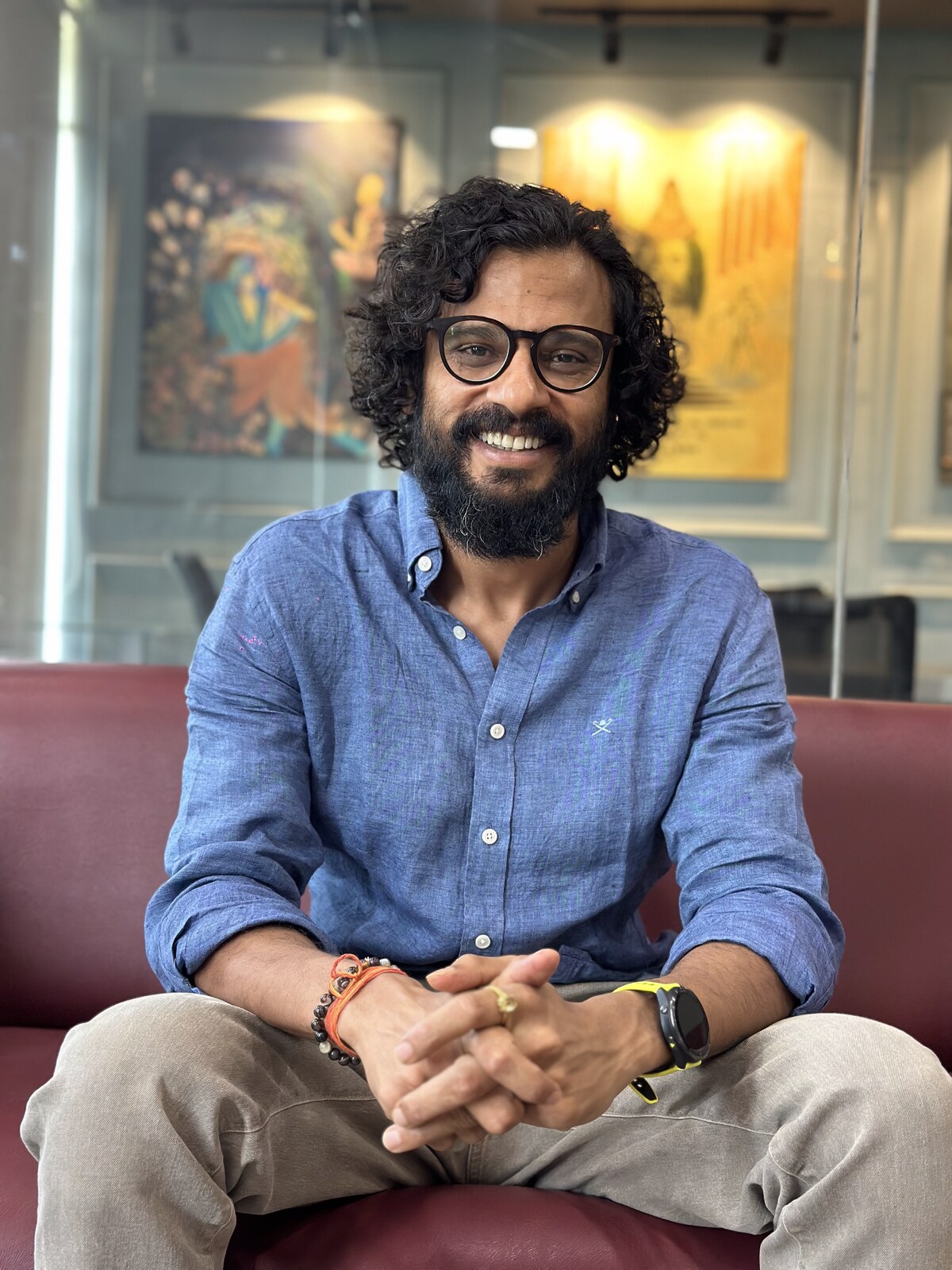
Rajat Asawa reading at home
Rajat Asawa — Entrepreneur. Marathoner.

01 — The framework

A canopy that shades you through heat and holds through storm — resting on four supports, in equal measure. Pull one out and the whole thing tilts. None of it is built in a sprint.

THE LONG RUN VITALITY AWARENESS CONNECTION PURPOSE the body the self the world beyond the self
Four pillars. One canopy. Nothing optional.

02 — Who's talking

I grew up in Jabalpur, a small town in central India, in a middle-class Marwari family. My childhood is mostly memories of following my grandfather into his factory. He ran a business, and he was my first picture of what a life could be. I wanted to be him.

Instead I set out to become a doctor — everyone around me was, my father is one. I failed the pre-medical exam, and I failed it hard. Two years disappeared. I slept because sleep was the only place that didn't hurt. I stopped eating. I played pool and waited for each day to end.

A friend pulled me to Pune for a change of scenery, and my father backed the move — he has always wanted the best for me, and he believed I should have one solid qualification. He's a big part of why I'm standing here at all. I cleared the Chartered Accountancy exam with a merit rank. It taught me the one thing I still live by: when you have no option to fail, you succeed — and you succeed big.

CA took me to Deloitte in Pune, then a small firm in Houston — I hated both jobs from day one. Back home, my grandfather's mining business wasn't mine. Then my father showed me a newspaper ad: Royal Enfield wanted a dealer in Jabalpur. I'd just bought my first Enfield, so I applied — and it worked. Seven years, ten outlets. In build mode I don't stop.

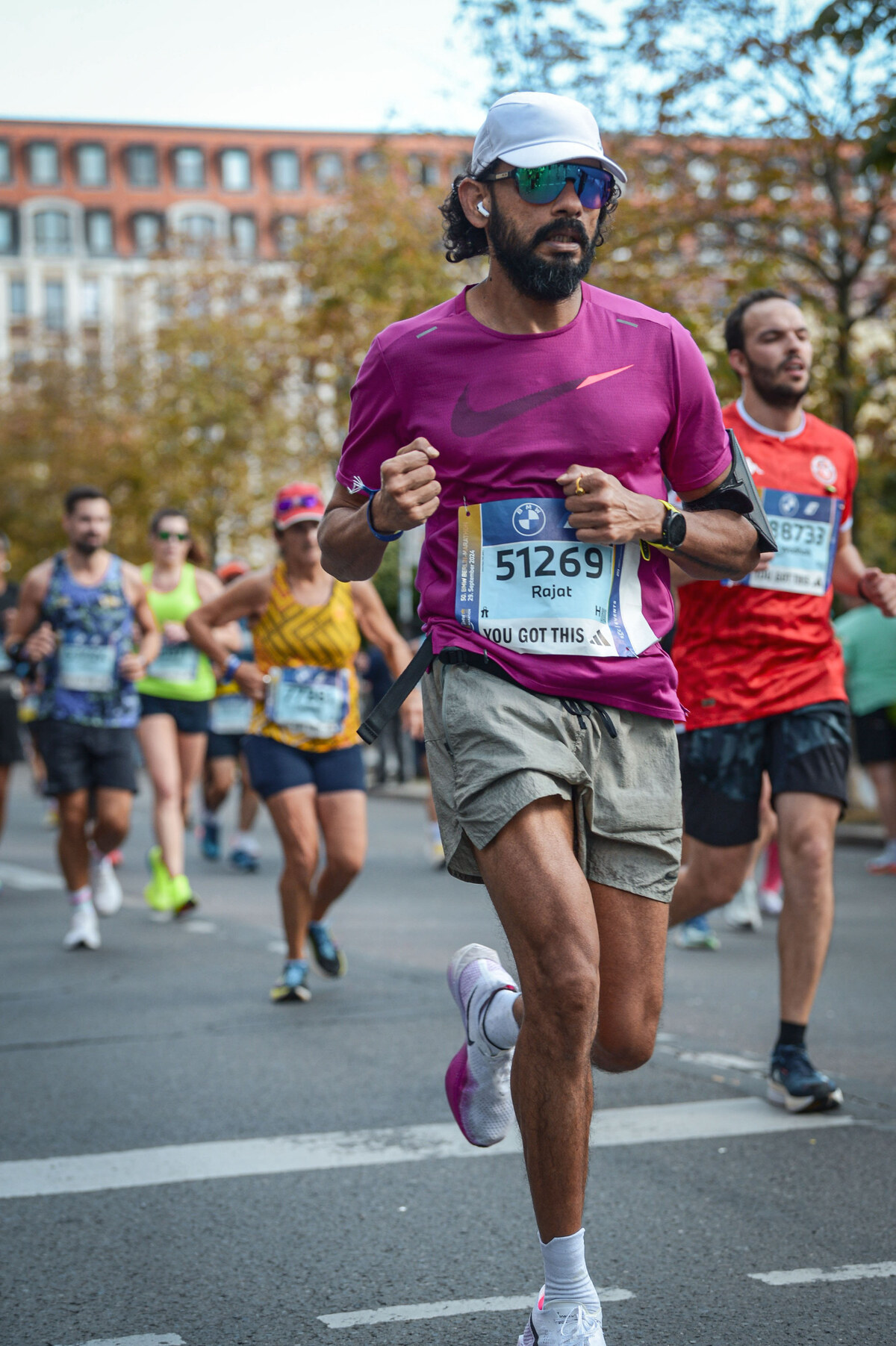
Running came late. In 2014 I couldn't last five minutes on a treadmill, so I started run-walk intervals. On Mumbai's roads in 2017 my knees gave out — until a book, Born to Run, taught me to land midfoot. The next morning I ran five kilometres and nothing hurt. Mumbai twice, Berlin, London, Tokyo. In the last twelve kilometres of Berlin I found a runner I never knew I had.

But the road was only ever half of it. Through those same years I was reading — Vedanta first, given to me by a mentor in the US, then Osho, Rumi, and finally Krishna. The Bhagavad Gita became the book that gave me peace. The running and the stillness aren't a passion and a footnote; they are two halves of one practice — the effort and the surrender, the body and the witness behind it. I call it The Long Run because it is the opposite of the hustle everyone is selling: the long game, run at a pace you can hold for a lifetime.
When you have no option
to fail, you succeed.
And you succeed big. — what the merit rank taught me
Rajat Asawa running the Berlin marathon
Berlin · 2024
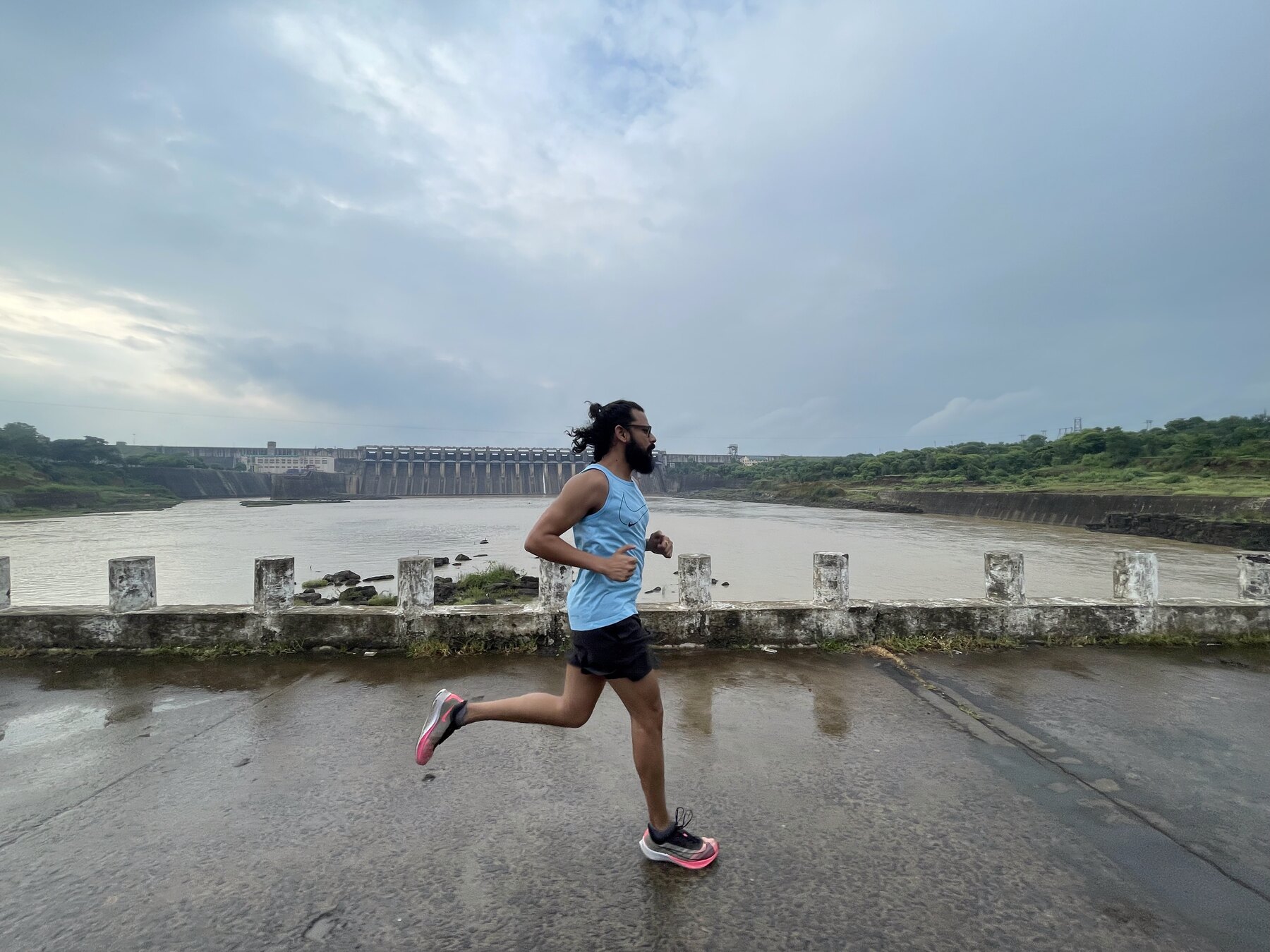
Rajat Asawa on a morning run beside the water
The road is where the framework came from.

03 — Setting expectations

What this is not

  • A way to get rich quickly. Money is a side effect of excellent work, not a target you aim at.
  • A collection of shortcuts. There aren't any. I've looked.
  • Repackaged American self-help. This came off Indian roads and out of older books.

What this is

  • A long-term, holistically successful life. Measured in decades, not quarters.
  • Success that isn't money, fame or power — those are outcomes, not the point.
  • Acceptance first. You can only improve the person you've stopped arguing with.

04 — The four pillars

Two turn outward, two turn inward. A life that lasts gives equal weight to all four — built at a pace you can sustain.

Vitality

Relationship with your body

Don't train for a photograph — it won't survive a bad year. Train for who you'll be at seventy, and pick a sport: a short life you get to live every morning.

One practicePick a sport, not a workout. Show up before the world is awake, three times this week.

Awareness

Relationship with yourself

You are not your body or your mind — you're the one watching both. The Gita said it, Vedanta said it. Most suffering is a thought you agreed to believe.

One practiceClose your eyes for two minutes. Watch your thoughts go past. Don't touch any of them.

Connection

Relationship with the world

How many people know the real you? Most can't name four. You need a tribe that keeps you human, a council that tells you the truth, and collaborators who make the work bigger than you.

One practiceName your four. Then call one of them this week — no agenda, no ask.

Purpose

Something bigger than yourself

Bigger than money, fame or power — those eat a decade. Want the work for its own sake, detached from the result, and ten years compounds into something you couldn't have planned.

One practiceName one piece of work you'd still do if nobody ever clapped. Give it your first hour.

05 — The next session

Live · Offline session

Be first
in the room.

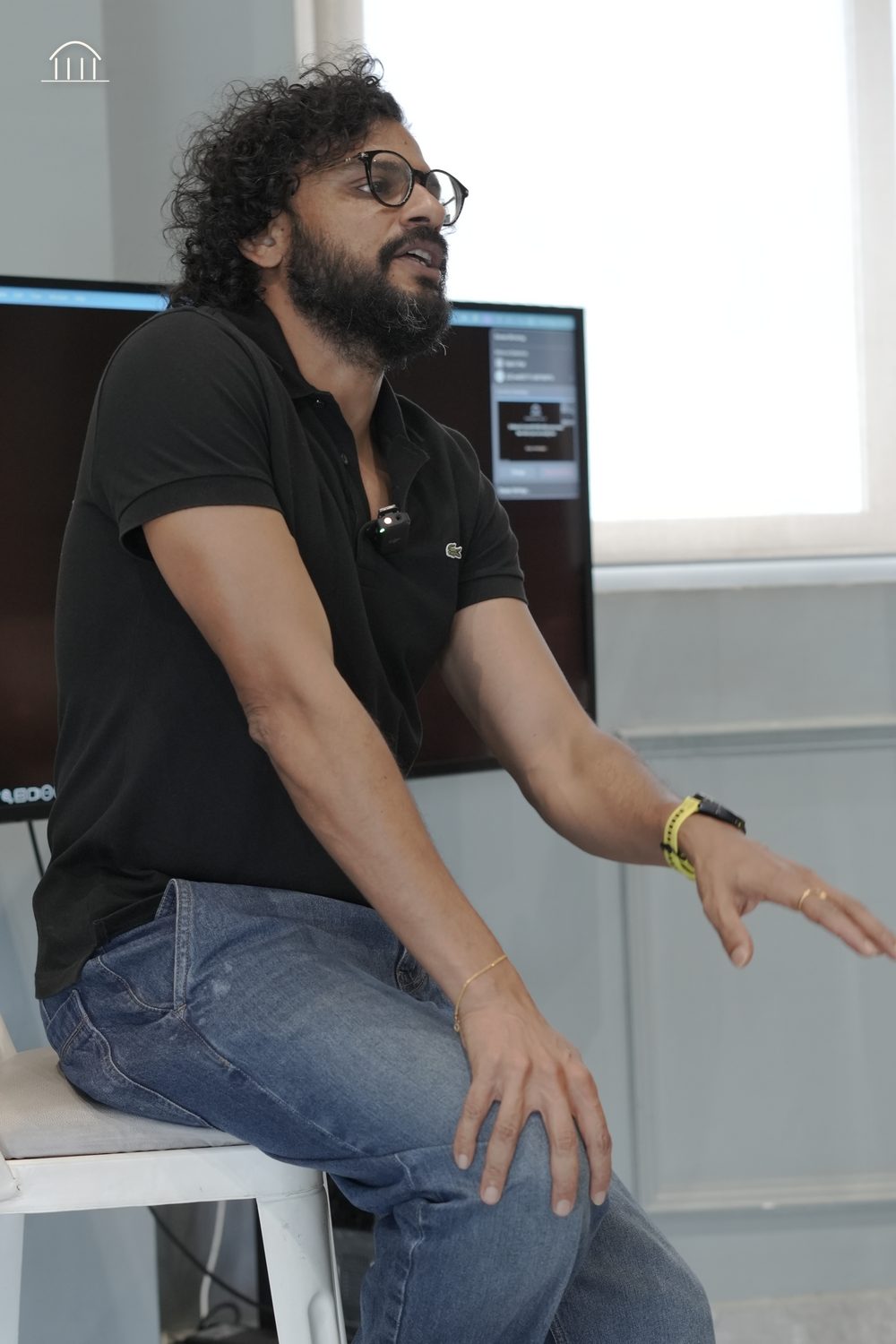
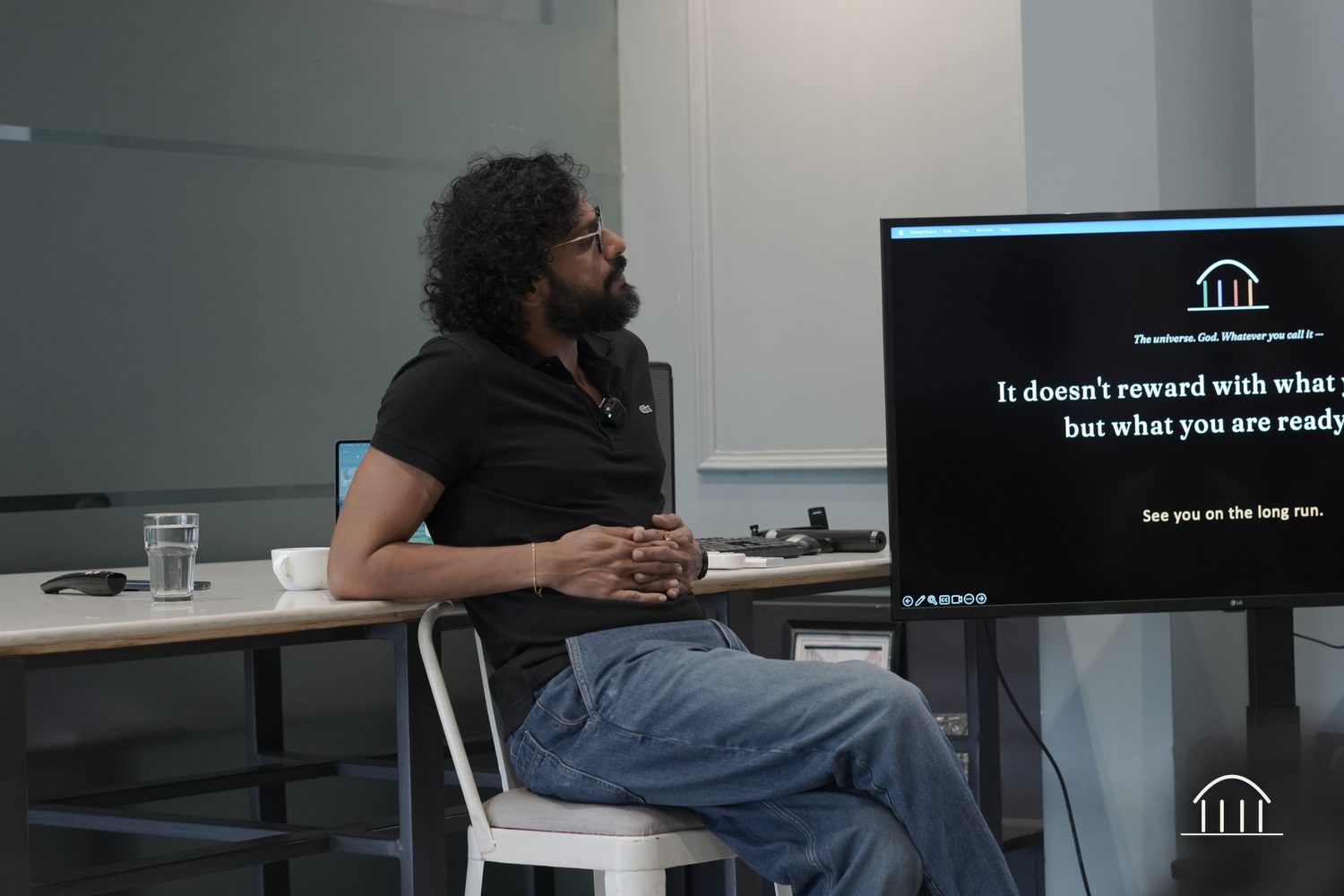
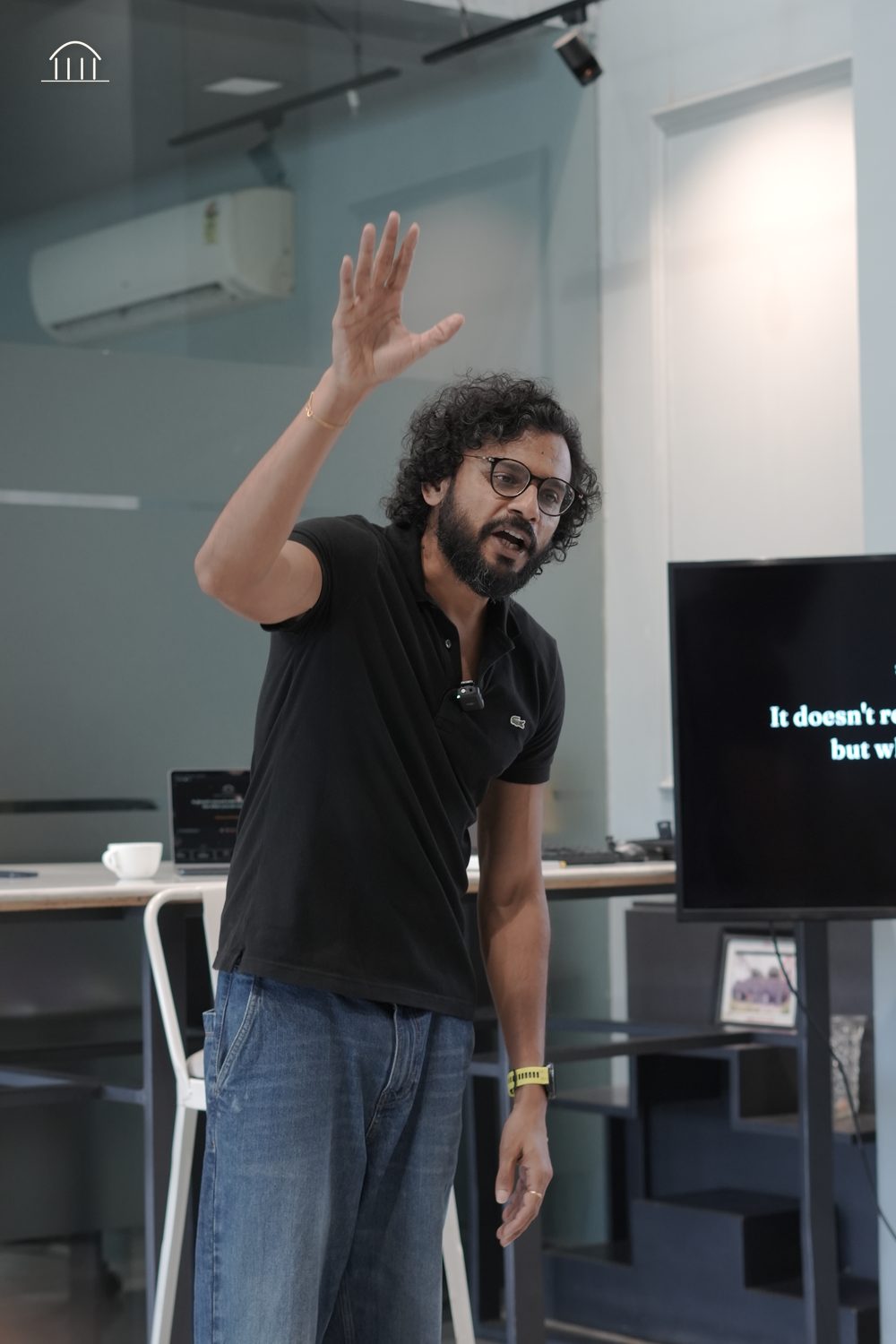
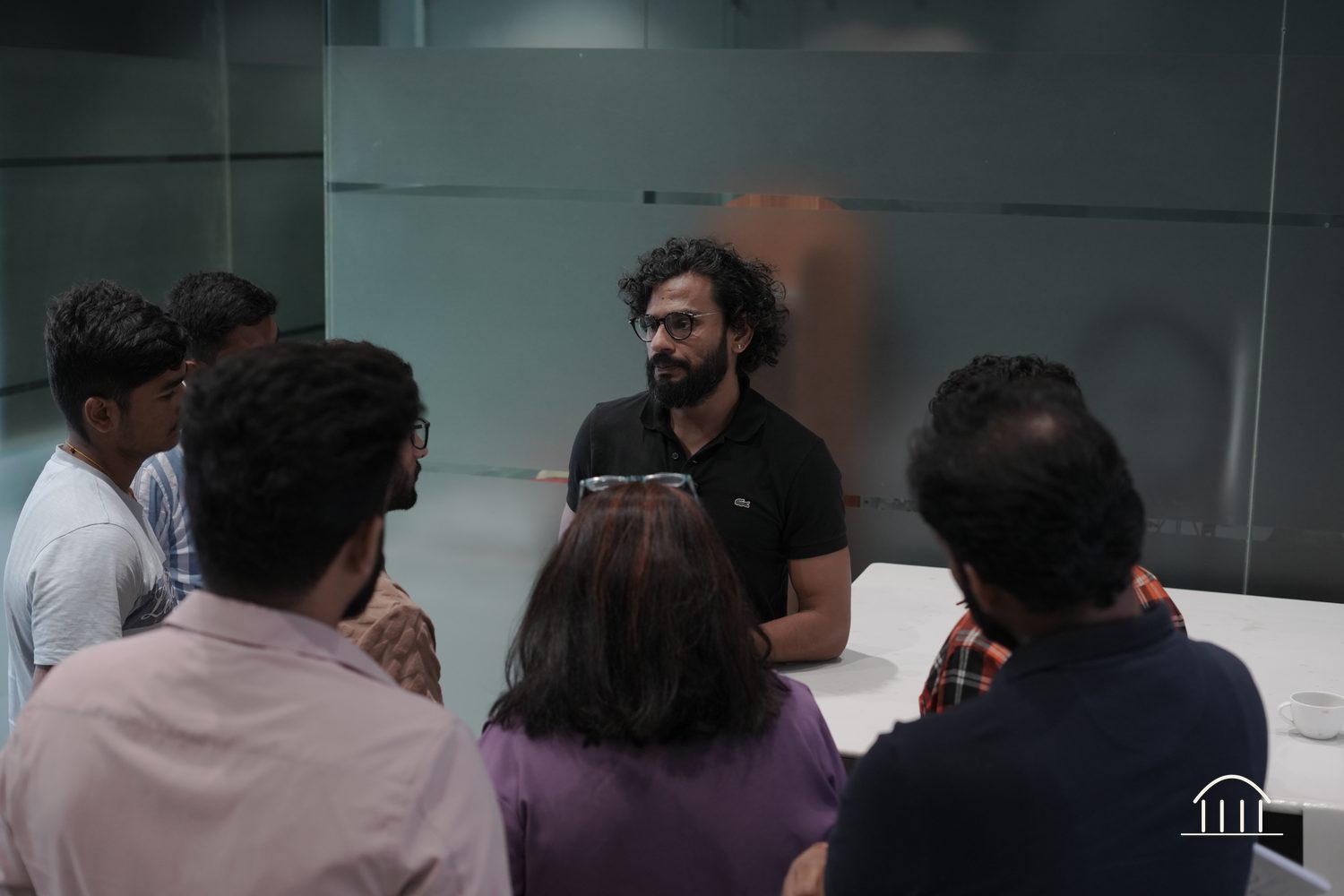
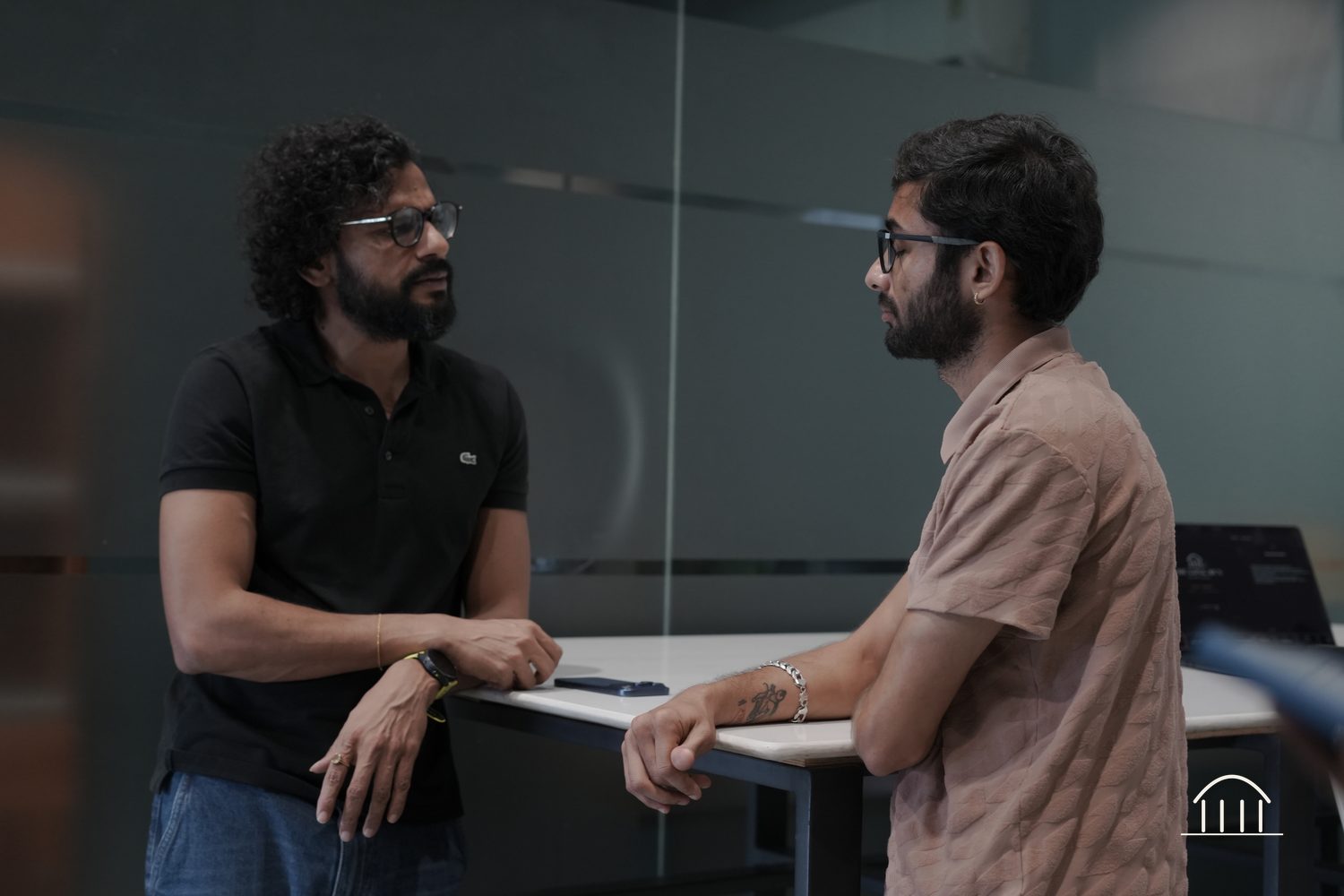
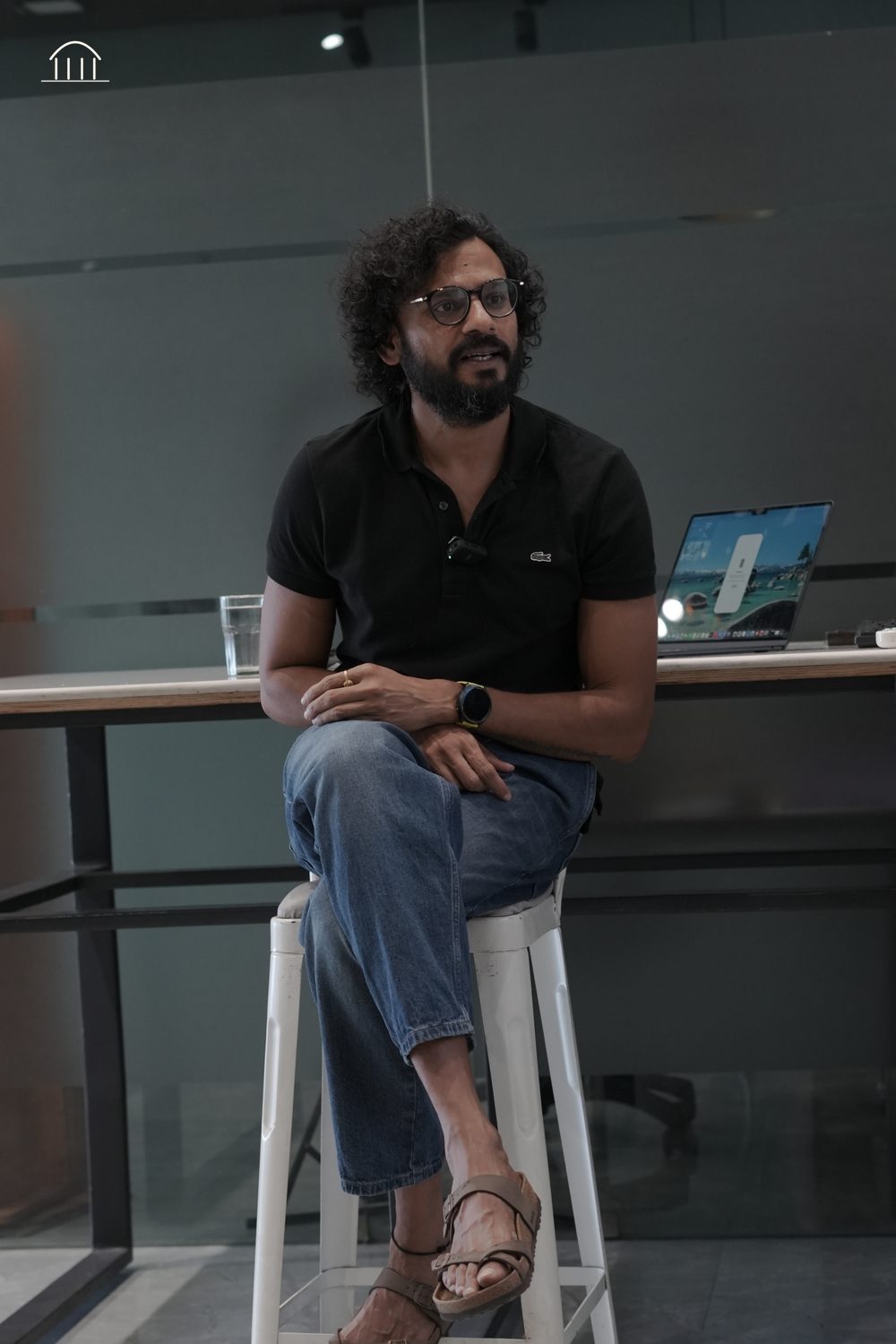
The Long Run is coming to a city near you — the whole framework, live: the story, the four pillars, one practice each, and the part I only say out loud. Pre-register your interest and you'll be the first to hear the date, the city, and how to book a seat.

06 — What's coming

The talk.
Sixty minutes.

The whole framework, live — the story, the four pillars, and the part I only say out loud. Coming to a city near you.

  • The keynote60 min · live
  • Framework guidecoming
  • One-day coursecoming
  • Three-day retreatcoming

07 — For companies

Bring it
to your team.

The same framework, shaped for your people — a keynote for the whole room, or a workshop that goes deeper. Built for offsites, leadership programmes, and culture days.

  • Corporate keynote45–60 min
  • Workshop / traininghalf or full day